


Is a Multivitamin Really Necessary?

Posted on: April 5th, 2014 by Gregg Gittins No Comments

Most of us understand the importance of good nutrition. We aim to eat more fruits and vegetables, cut back on processed foods, and make healthier overall choices. But an important question often goes unasked: are we truly meeting our optimal nutritional needs?

Achieving adequate nutrition is essential for the body to function properly. When nutrient needs aren’t met, subtle imbalances can develop—both chemically and physically—that may contribute over time to fatigue, reduced immunity, and a higher risk of chronic disease.

How Much Is Enough? Understanding RDAs

The Recommended Dietary Allowances (RDAs) represent daily intake levels considered sufficient to meet the needs of most healthy individuals. However, they are not perfect benchmarks for everyone.

RDAs may not fully account for individuals who:

  • Have chronic illnesses
  • Take certain medications
  • Experience high levels of physical or emotional stress
  • Have digestive or absorption issues
  • Have very high or very low body weight
  • Have unique metabolic differences

It’s also important to understand that RDAs were developed as population-level guidelines—not personalized targets. Nutritional needs can vary significantly from person to person.

Is Eating Healthy Food Enough?

In an ideal world, a balanced diet would provide everything we need. However, modern research suggests that the nutritional landscape is more complex than many people realize.

Some studies have found that the nutrient content of certain fruits and vegetables has declined modestly over the past several decades. For example, an analysis comparing U.S. Department of Agriculture data from 1950 to 1999 reported decreases in several nutrients, including protein, calcium, iron, and vitamin C in a range of crops1.

One explanation for this is known as the “dilution effect”—where crops bred for higher yield and faster growth may have lower concentrations of certain nutrients2.

Additionally, factors such as soil quality, farming practices, harvesting methods, and food storage can all influence nutrient levels in the foods we eat3.

At the same time, it’s important to note that not all experts agree on the significance of these changes. Some reviews suggest that while differences exist, they may fall within natural variation and do not necessarily indicate a dramatic decline in overall food quality4.

What is clear, however, is that nutrient intake depends not just on what we eat, but how food is produced, processed, and consumed.

Modern Life May Increase Nutritional Demands

Today’s environment places additional stress on the body compared to previous generations. Factors such as increased exposure to environmental pollutants, higher stress levels, and poor sleep patterns may increase the body’s need for certain nutrients.

Emerging research also suggests that rising atmospheric carbon dioxide levels may reduce concentrations of protein, iron, and zinc in some staple crops.

Combined with the widespread consumption of processed foods—often higher in calories but lower in essential nutrients—this can make it more challenging to consistently meet optimal nutritional needs.

What Happens When Nutritional Needs Aren’t Met?

When the body lacks essential nutrients over time, the risk of chronic conditions increases. Diet-related factors are strongly associated with conditions such as:

  • Heart disease
  • Type 2 diabetes
  • Certain cancers
  • Osteoporosis
  • High blood pressure

Beyond major diseases, suboptimal nutrition can also impact energy levels, immune function, cognitive performance, and overall well-being.

Building a Strong Nutritional Foundation

A healthy lifestyle always starts with diet. Focus on:

  • Whole, minimally processed foods
  • A variety of vegetables and fruits
  • Whole grains and fiber-rich carbohydrates
  • Healthy fats (nuts, seeds, fish)
  • Quality protein sources

Additional lifestyle habits—such as staying hydrated, exercising regularly, managing stress, and avoiding smoking or excessive alcohol—also play a critical role in long-term health.

Where Do Multivitamins Fit In?

While whole foods should always be the primary source of nutrition, a high-quality multivitamin can serve as a practical nutritional safety net.

Supplements are not a replacement for a healthy diet. However, they may help:

  • Fill common nutrient gaps
  • Support increased needs due to stress or lifestyle factors
  • Provide consistency when dietary intake is less than ideal

Given modern dietary patterns and variability in food quality, many individuals may benefit from targeted supplementation as part of a broader approach to health.

Final Thoughts

Optimal nutrition today requires more awareness than ever before. Between evolving agricultural practices, lifestyle demands, and environmental factors, it can be difficult to consistently meet all of your body’s needs through diet alone.

The goal isn’t perfection—it’s consistency.

Build your foundation with whole foods, support your body with healthy habits, and consider a multivitamin as a simple way to help cover potential gaps.

“An ounce of prevention is worth a pound of cure.” – Benjamin Franklin.

Yours in health

Dr. Gregg Gittins

www.OakwayNaturals.com

References

  1. Davis, D.R., Epp, M.D., & Riordan, H.D. (2004). Changes in USDA Food Composition Data for 43 Garden Crops, 1950 to 1999. Journal of the American College of Nutrition.
  2. Fan, M.S. et al. (2008). Evidence of decreasing mineral density in wheat grain over time. Journal of Trace Elements in Medicine and Biology.
  3. Montgomery, D.R. (2017). Growing a Revolution: Bringing Our Soil Back to Life.
  4. Mayer, A.-M. (1997). Historical changes in the mineral content of fruits and vegetables. British Food Journal.
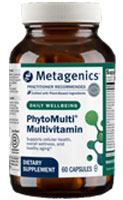

Our top pick is...
  • The “Smart Multi”
  • Highly-concentrated, full-spectrum phytonutrients to help you achieve your maximum health potential
  • Phytonutrient potential for cell protection, cell signaling, and DNA stability
  • Includes lutein, zeaxanthin, lycopene, and resveratrol
     
So many choices…the value of good nutrition

Most of us believe in the value of good nutrition and know the basics. We generally have the best intentions to increase our fruits and vegetables, cut down on our fats and reduce our processed foods and sweets.  But the question is, are we meeting our own optimal nutritional requirements?  Achieving this need is essential for the healthy functioning of our body because without optimal nutrition weaknesses can begin to occur.  These deficiencies can cause subtle changes chemically and physically, potentially leading to a variety of health issues.


How to eat? The basics of RDA’s.

The Recommended Dietary Allowances (RDAs) are quantities of nutrients in the diet that are required to maintain good health in most people. Some people do not meet this definition, including those who:

*Have chronic illnesses                              *Are taking medication
*Have heavy physical work stress            *Have digestive problems
*Have very high or low body weight       *Have metabolic abnormality

The RDA’s were designed to calculate food needed to feed schools and armies, not to compare individual diets. One must remember that there is great variability from individual to individual and that each person’s nutritional requirements are unique to that individual.


Isn’t just eating regular food good enough?

Food is just not what it used to be. Consider this: The Journal of Applied Nutrition compared the difference in nutritional value of organic food with commercial foods and found that there are significant differences between the two. Even those of us who eat fruits and vegetables on a daily basis may be getting short changed nutritionally.

Apples, pears, potatoes, corn, and wheat were purchased in the Chicago area and analyzed for 22 nutrients and 4 toxic elements over a period of two years. The analysis showed that “the organic pears, apples, potatoes, and wheat had, on average, over 90% more of the nutritional elements than similar commercial food.” Many factors, such as soil nutrients, use of chemical fertilizers, harvesting times, or post-harvest differences in handling, can impact the nutrient levels in food. Unless everything you eat is organic, which likely isn’t the case, you are not getting the nutrients your body needs from your food alone.


Hamburgers and Fries?

Studies have shown that only 9% of U.S. residents eat five daily servings of fruits and vegetables and up to 50% of the population was below the RDA levels for some vitamins and minerals, especially calcium, iron, vitamin A, and vitamin C.

What are the potential consequences of not meeting our nutritional needs?

In short, we increase our risks of chronic degenerative diseases. In a country that boasts the very best healthcare in the world, why do we maintain the highest rates of obesity, arthritis, cancer, diabetes, and heart disease anywhere in the world? It comes down to dietary imbalances.

The Public Health Service states that four of the ten leading causes of death in the United States (heart disease, cancer, stroke and diabetes) are associated with diet and nutrition. In 1989, the U.S. Surgeon General, C. Everett Koop, released a report entitled “Nutrition and Health” that linked two-thirds of all causes of deaths in the US to diet or lifestyle. The bottom line is those who eat a high-fat, low-fiber diet are at a much higher risk of developing heart disease and certain types of cancer than people who eat a healthier diet.


Things are different in today’s world! Your nutritional needs are too!

Our world is different and more toxic today than it was 20 – 30 years ago. Exposure to pollution in our water and food supply along with the various increased stresses of life may actually increase the need for specific vitamins and minerals above even the RDAs. These stresses place an increased demand on our bodies and can lead to an increased demand for certain nutrients, such as antioxidants.

Moreover, modern food processing typically adds fat (usually unhealthy hydrogenated oils), sugar and salt to many products and often markedly reduces the fiber and vitamin/mineral content of cereal grains.


So where should you start?

The foundation for a healthy lifestyle always starts with a proper diet. Try to get your nutrition from the food you eat. It’s recommended that you eat mostly vegetables, fruit, whole grains, healthy fat and healthy proteins. And try to buy organic whenever possible. It really does make a difference!

The foundation for a healthy lifestyle always starts with a proper diet. Try to get your nutrition from the food you eat. It’s recommended that you eat mostly vegetables, fruit, whole grains, healthy fat and healthy proteins. And try to buy organic whenever possible. It really does make a difference!

Check out the modern USDA “MyPlate”

Optimize your water intake.

Also, make sure you switch out sugary drinks for good old fashioned water. You should be drinking about around 50% of your body weight in ounces worth of water every day.  Keep your body hydrated


Boost your strength levels.

Exercise is also key to a building a solid nutritional foundation. I recommend trying high-intensity training, which calls for performing quality weight training repetitions to the point of complete muscular failure.  You can learn more about high-intensity training here.

Also, try to eliminate any smoking or excessive alcohol consumption, as well. These habits cancel out other positive things you may be doing for your health.

Relaxation. The time is now!

Do your best to reduce your stress levels. Take up yoga, a daily stretching program, meditation, prayer, or Tai Chi.

Cover nutritional gaps!

Fill in any nutritional gaps or any dietary indiscretions with a high-quality comprehensive multivitamin.  Multivitamins have a strong safety profile and potentially can improve your health and save you thousands of dollars in healthcare through prevention.

A report titled “Smart Prevention – Health Care Cost Savings Resulting from the Targeted use of Dietary Supplements” demonstrated that supplementation at preventive intake levels in high-risk populations can reduce the number of disease-associated medical events, representing the potential for hundreds of millions – and in some cases, billions – of dollars in savings.

This report examined four different chronic diseases and the potential for healthcare cost savings when US adults 55 years and older, diagnosed with these chronic diseases, used one of eight different dietary supplement regimens.

We hope this slide show was helpful and informative. Should you have questions, or suggestions, please feel free to fill out our Ask the Doctor form found at the Doctors Corner.


Yours in health!

Dr. Gittins


REFERENCES

Centers for Disease Control and Prevention’s (CDC) Morbidity and Mortality Weekly Report September 10, 2010
 
Smith B L. Organic Foods vs Supermarket Foods: Element Levels. J Applied Nutrition 1993;45:35-39
 
Percival M. The Improtance of Optimal Nutrition; Clinical Nutrition Insights. Foundation for the Advancement of Nutritional Education 1997
 
Mahan KL, Escott-Stump S. Krause’s Food, Nutrition, and Diet Therapy 9th ed. Philadelphia: W.B. Saunders, 1996:108,118, 338-339
 
Public Health Service, DHHS. Surgeon General’s Report on Nutrition and Health. Publ No 88-50211;1988

Leave a Reply

You must be logged in to post a comment.


*FDA Required Statement: These statements have not been evaluated by the Food and Drug Administration. This product is not intended to diagnose, treat, cure, or prevent any disease.